Piló Castle
The earliest signs of settlement within the municipality date back to the Bronze Age, with numerous Iberian-era sites. During the centuries of Muslim rule, documentary evidence confirms the existence of an alquería (rural farmhouse community).
It is recorded that James I granted the village and its castle to the abbot of Fuentclara in 1238; the reconquest had taken place earlier that same year. The lordship later passed to the noble Raimundo de Torios, who sold it in 1379 to Jofré de Blanes and Caterina de Bonastre, who incorporated it into their territories forming the Barony of Segart.
In 1482 it was purchased by Juan Castellsens de Villarrasa and later returned once again to the Crown. The expulsion of the Moriscos in 1609 left the village almost uninhabited, which is why its repopulation began three years later with settlers of Catalan origin.
The castle is located near the village of Albalat, on the summit of a hill. Beneath it runs the tunnel of an old railway line, together with the Sagunto–Segorbe highway.
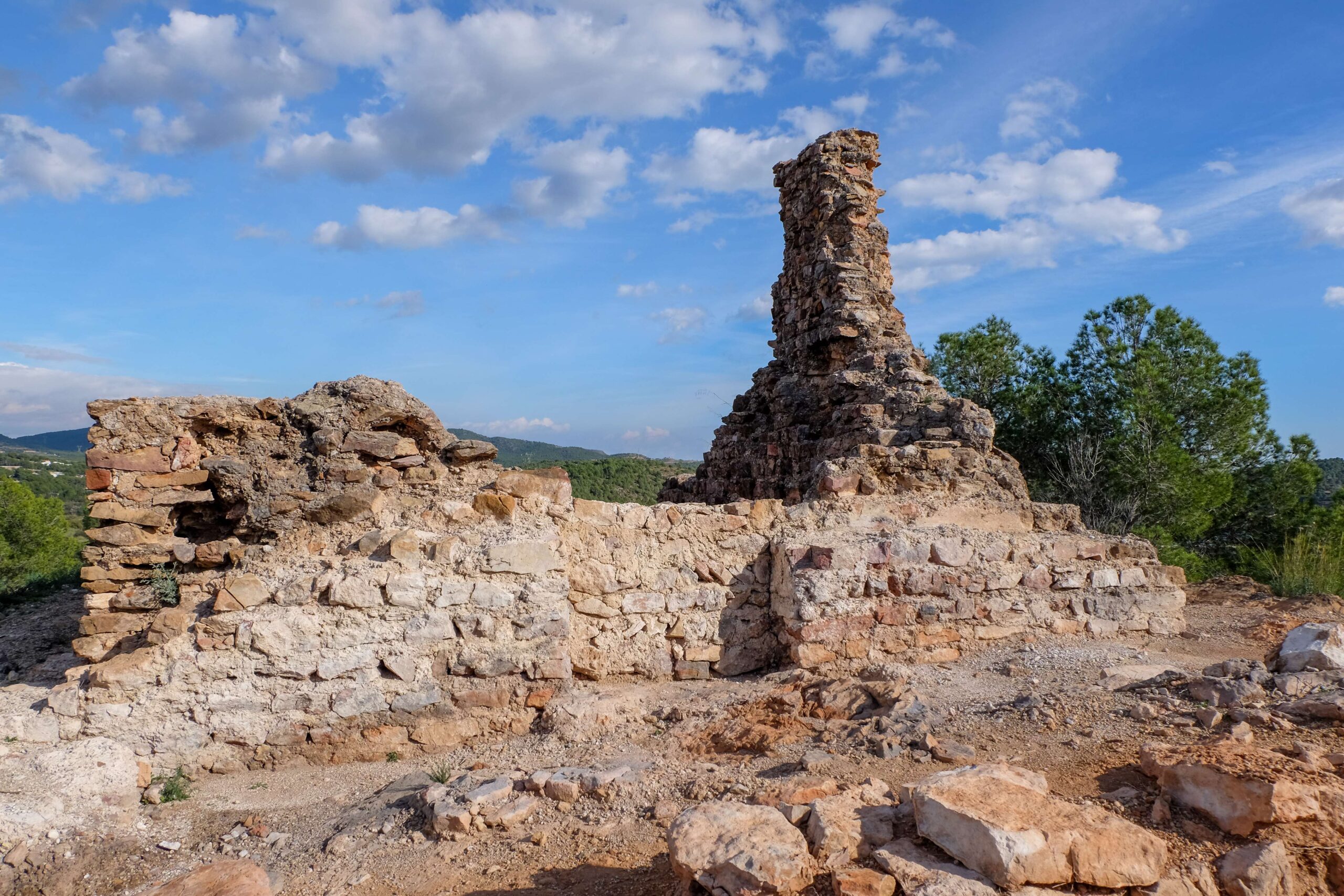
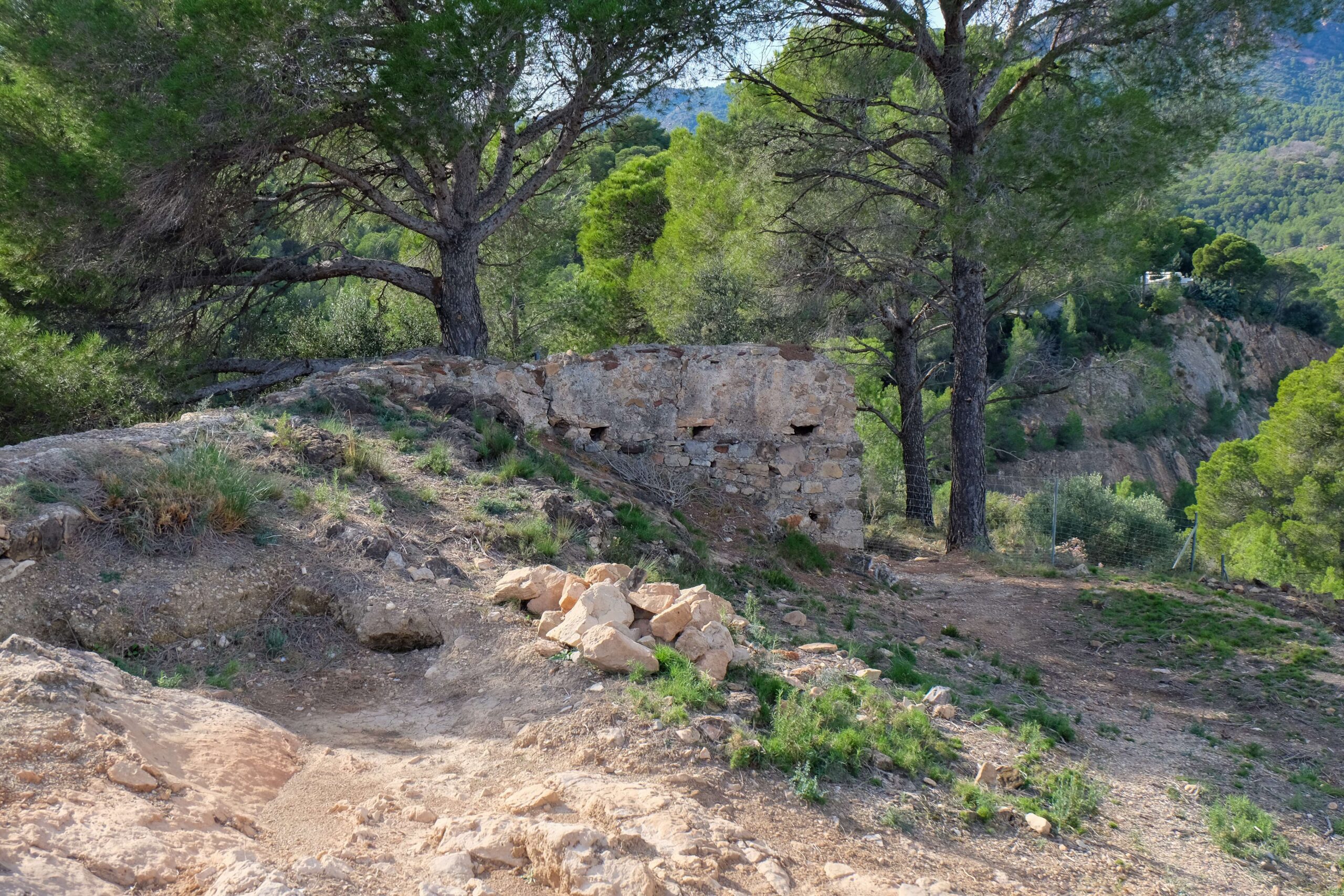
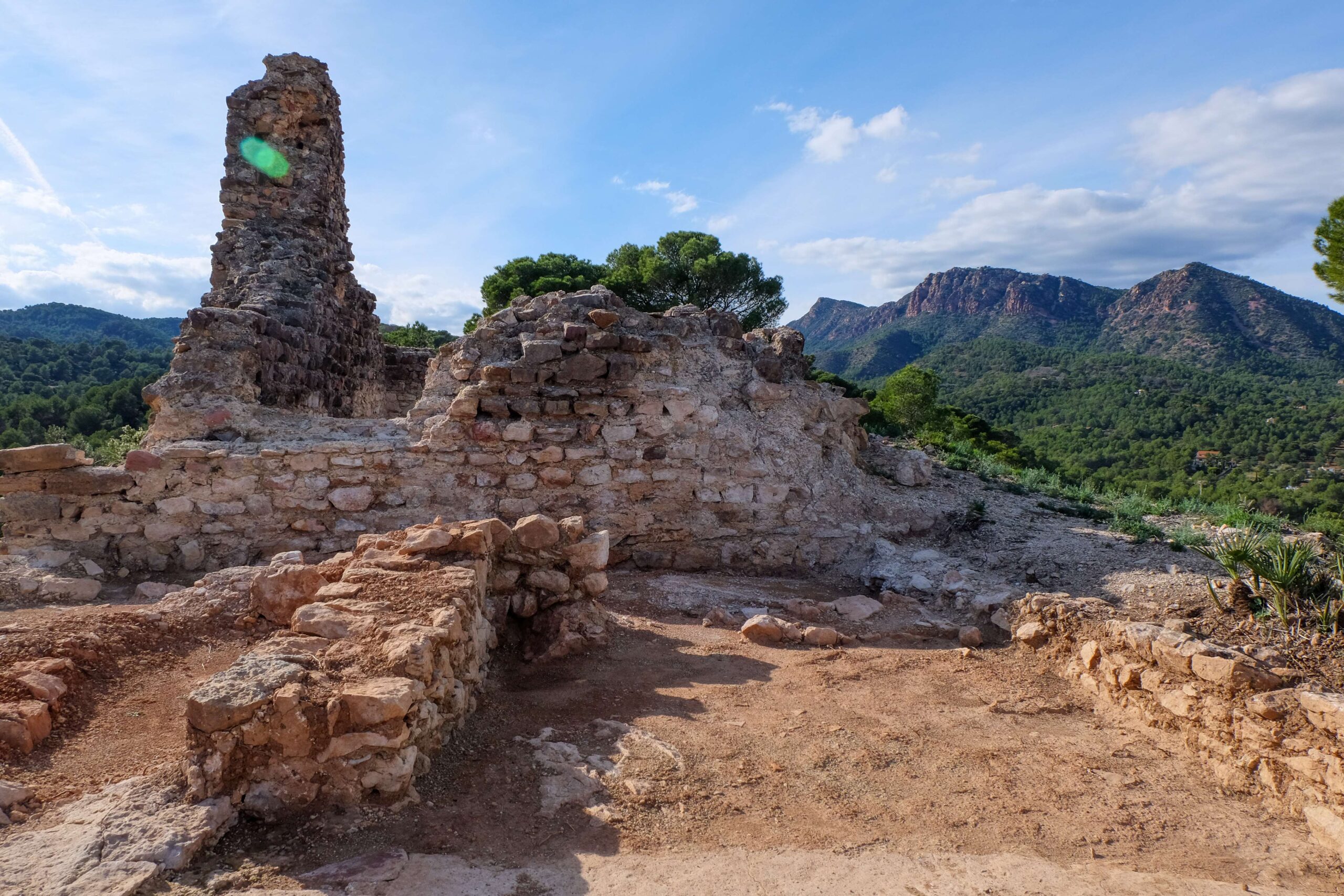
The castle sits on a rocky mountain of the same name, some distance away from the settlement. It is in ruins, although sufficient remains of the collapsed walls, auxiliary structures and parts of what must have been some of its defensive towers can still be seen. Iberian, Roman and medieval ceramics have been found there. (C. Pérez-Olagüe)