Jalance Castle
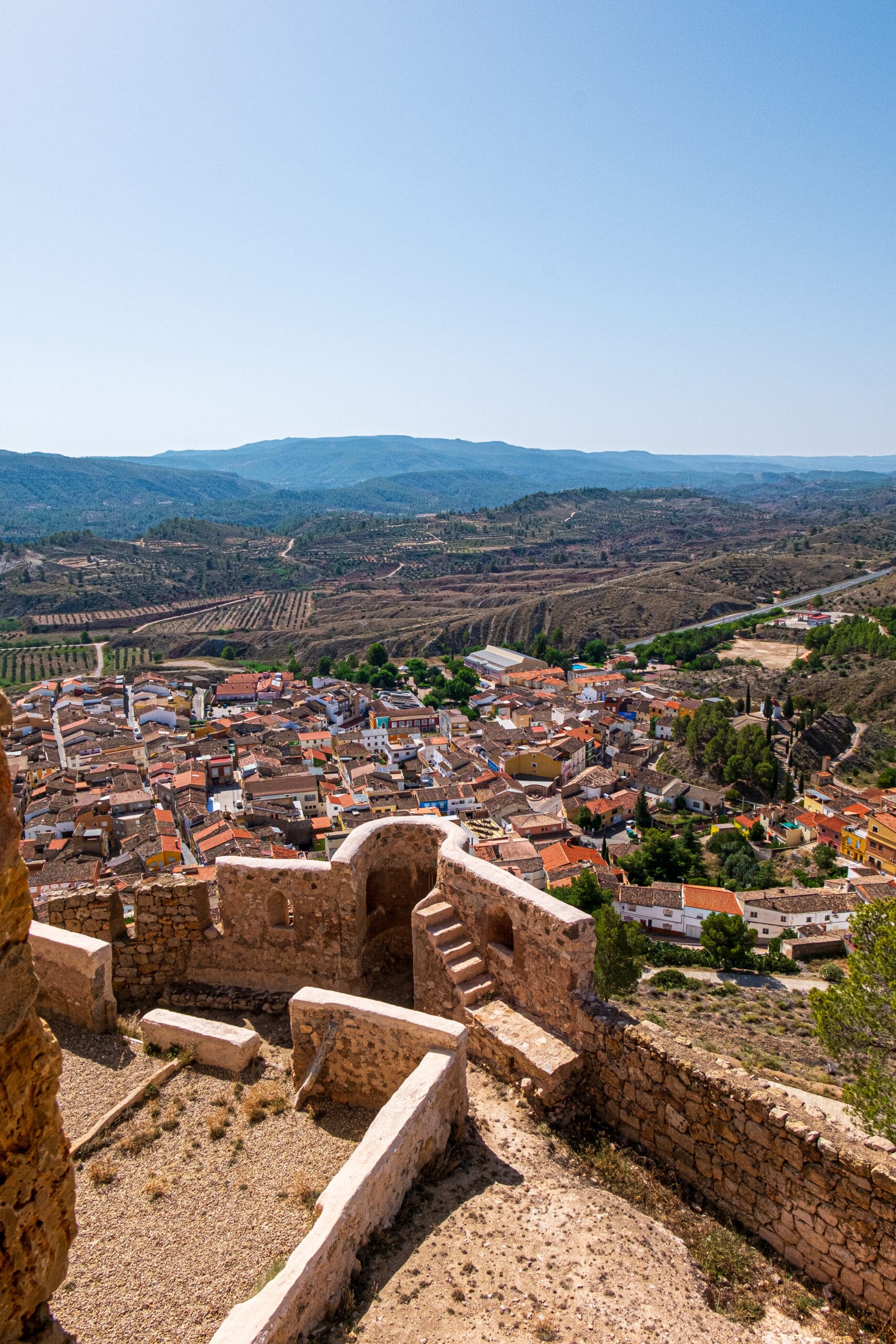
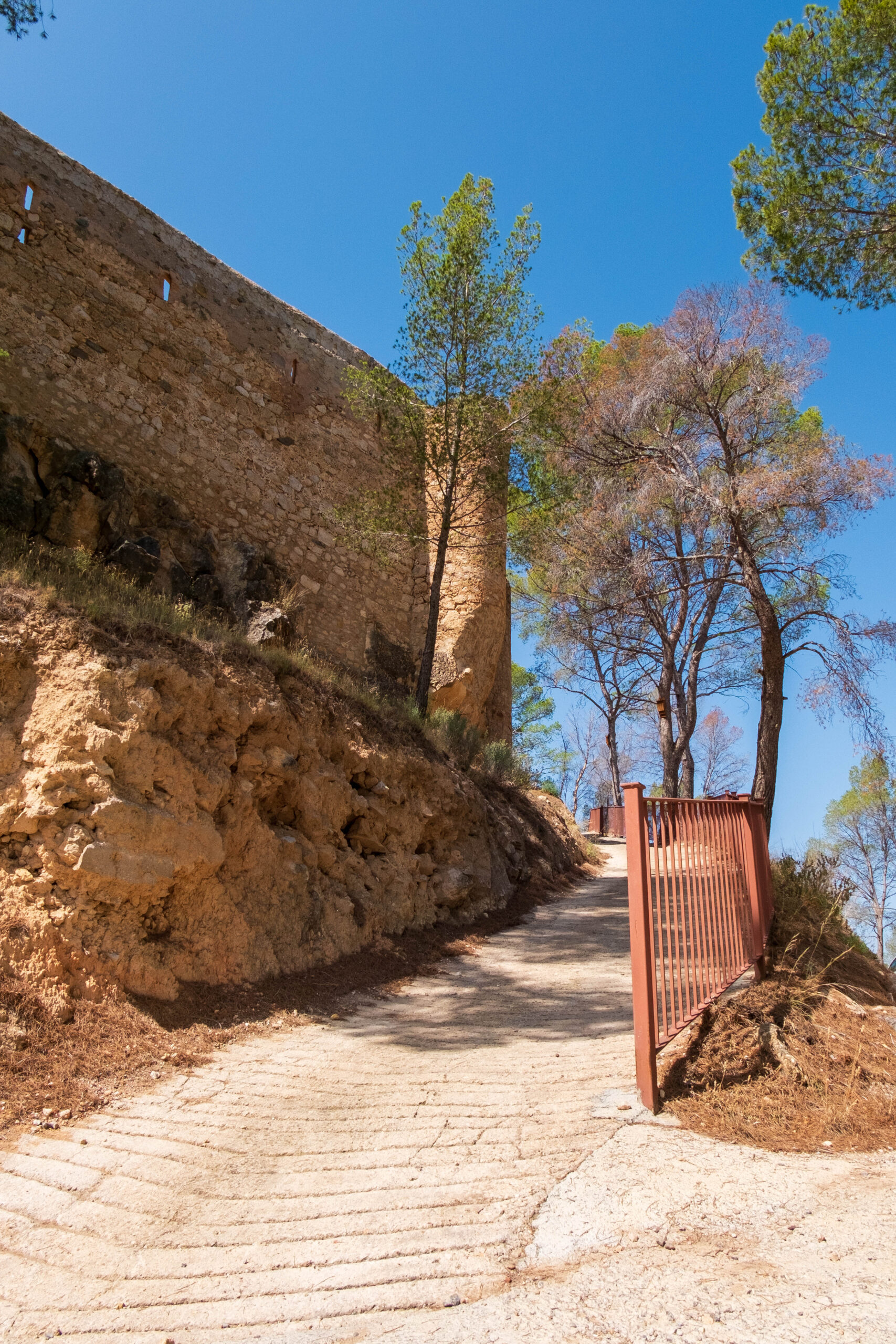
Jalance Castle stands atop a hill located to the west of the town of Jalance, rising about 80 meters above the town center. The location was chosen for its strategic position: elevated, difficult to access, and facing the Júcar River. This setting makes the castle an excellent viewpoint.
Of medieval origin during the Andalusian period, it was built sometime between the 11th century and the early 12th century, after the fragmentation of the Caliphate of Córdoba, to shelter the population in times of conflict. Although the exact dates are unknown, by the early 12th century it is already mentioned in the writings of the Ceutan geographer Al-Idrisi. Some sections of the walls from these early structures are still preserved in the celoquia, the central and highest part of the castle.
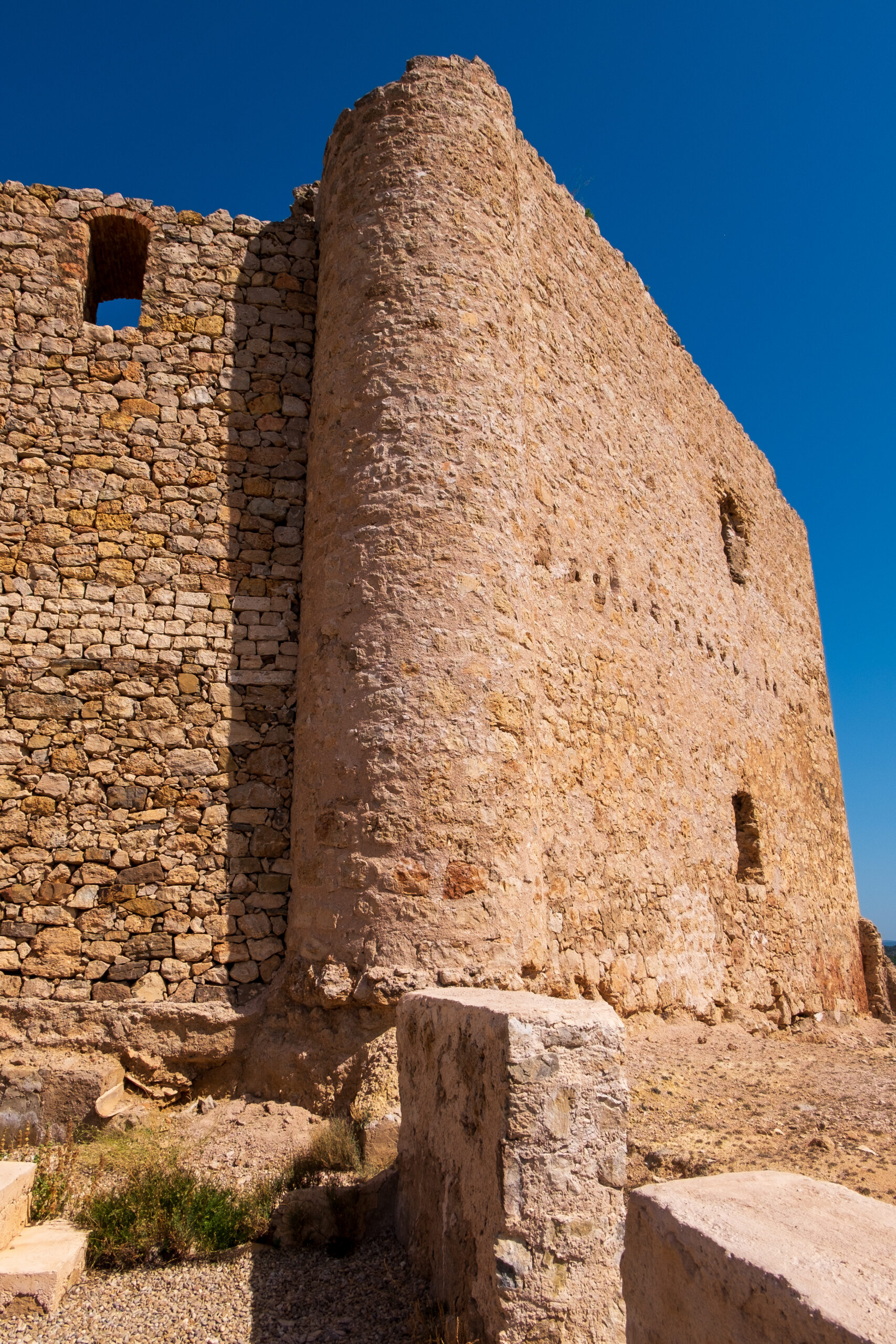
After the Christian conquest, several renovations were carried out. The first one occurred towards the end of the 13th century, after the valley was integrated into the Kingdom of Valencia, when the castle was expanded and fortified. The outer walls of the celoquia as well as the entrance gate and part of the wall surrounding the albacara still remain from this period. Later, in the late 14th or early 15th century, another major renovation took place, during which much of the perimeter wall was rebuilt.
The reasons for these renovations lie in the fact that the rocky base upon which the castle was built is made of a soft material, and some sections of the albacara wall may have collapsed due to the weakness of the foundation. Another reason is the damage caused by sieges during wars, such as the War of the Two Peters (1356-1375).
After these renovations, the castle continued to be used for various purposes, such as serving as a warehouse, prison, and residence.
In the early 17th century, it served as a refuge for several hundred Moors during their expulsion in the autumn of 1609.
After the repopulation of the valley between the 17th and 18th centuries, some people built their homes within the albacara, inside the perimeter wall. From this period comes the discovery of the skeleton of an elderly woman, about whom no further information is available, which is strange given that the castle was not a burial site.
At the beginning of the 18th century, during the War of Succession, the castle suffered significant damage once again.
The last works on the castle for defensive purposes took place in the 19th century, during the Carlist Wars, when much of the compound, including large parts of the perimeter wall, was rebuilt. Barracks and warehouses were erected, utilizing the surviving structures. However, these works were of poor quality, done hastily so the castle could shelter the population from Carlist attacks, contributing to its rapid deterioration.
Throughout the rest of the 19th century, some buildings were inhabited again, but the castle was finally abandoned in the 20th century, during which it was left to the mercy of the elements, vegetation growth, and vandalism.
It wasn’t until the late 20th century that the first archaeological interventions took place, including excavations and the reconstruction of sections of walls in the albacara and the celoquia. Iberian pottery from the 5th to 3rd centuries BC was also discovered, suggesting the presence of a small Iberian settlement long before the castle’s construction.
Currently, since 2016, archaeological work continues throughout the site, including the consolidation of the entire perimeter wall and several structures in the albacara and the celoqui