SAINT AUGUSTINE SQUARE
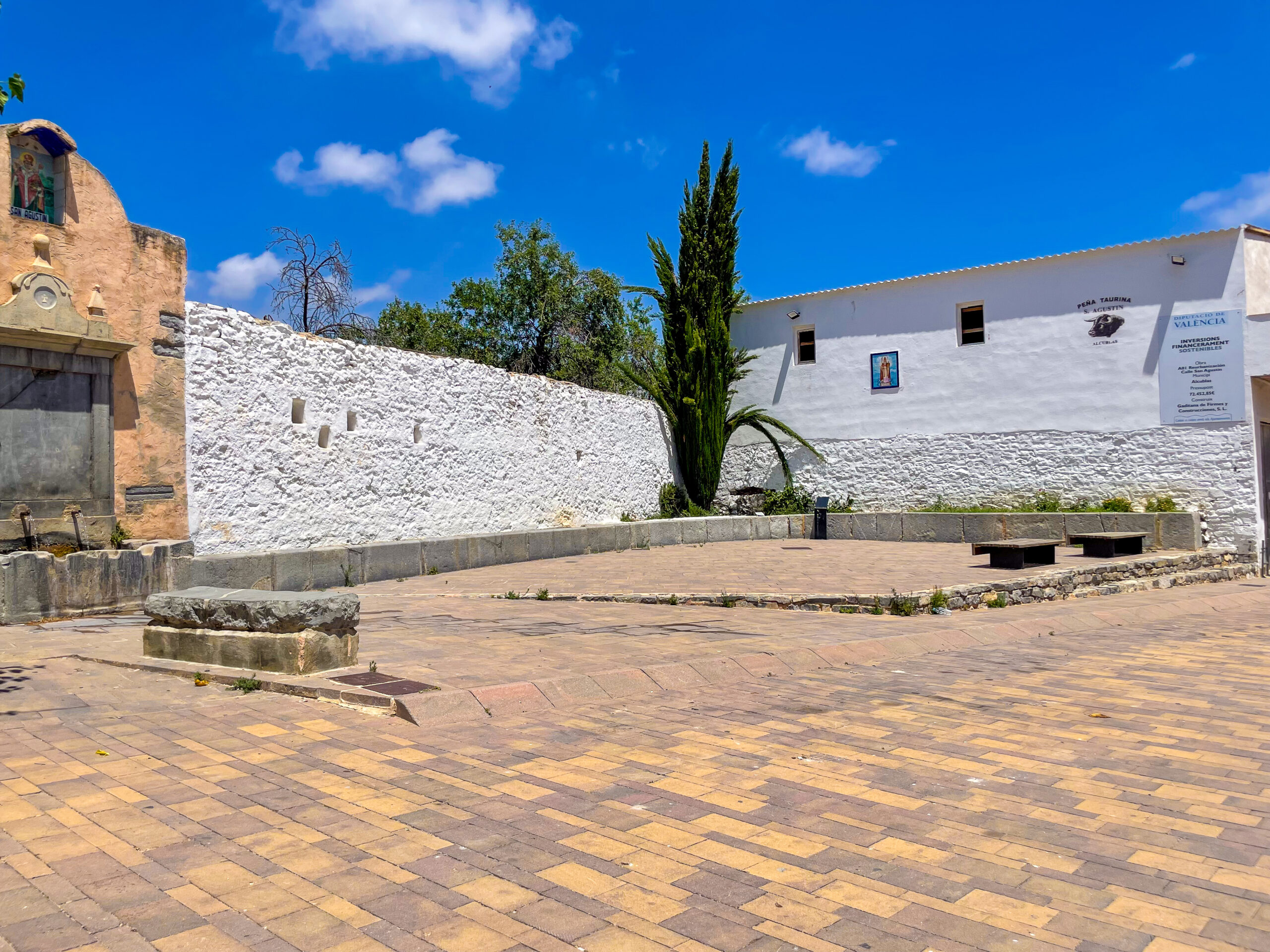
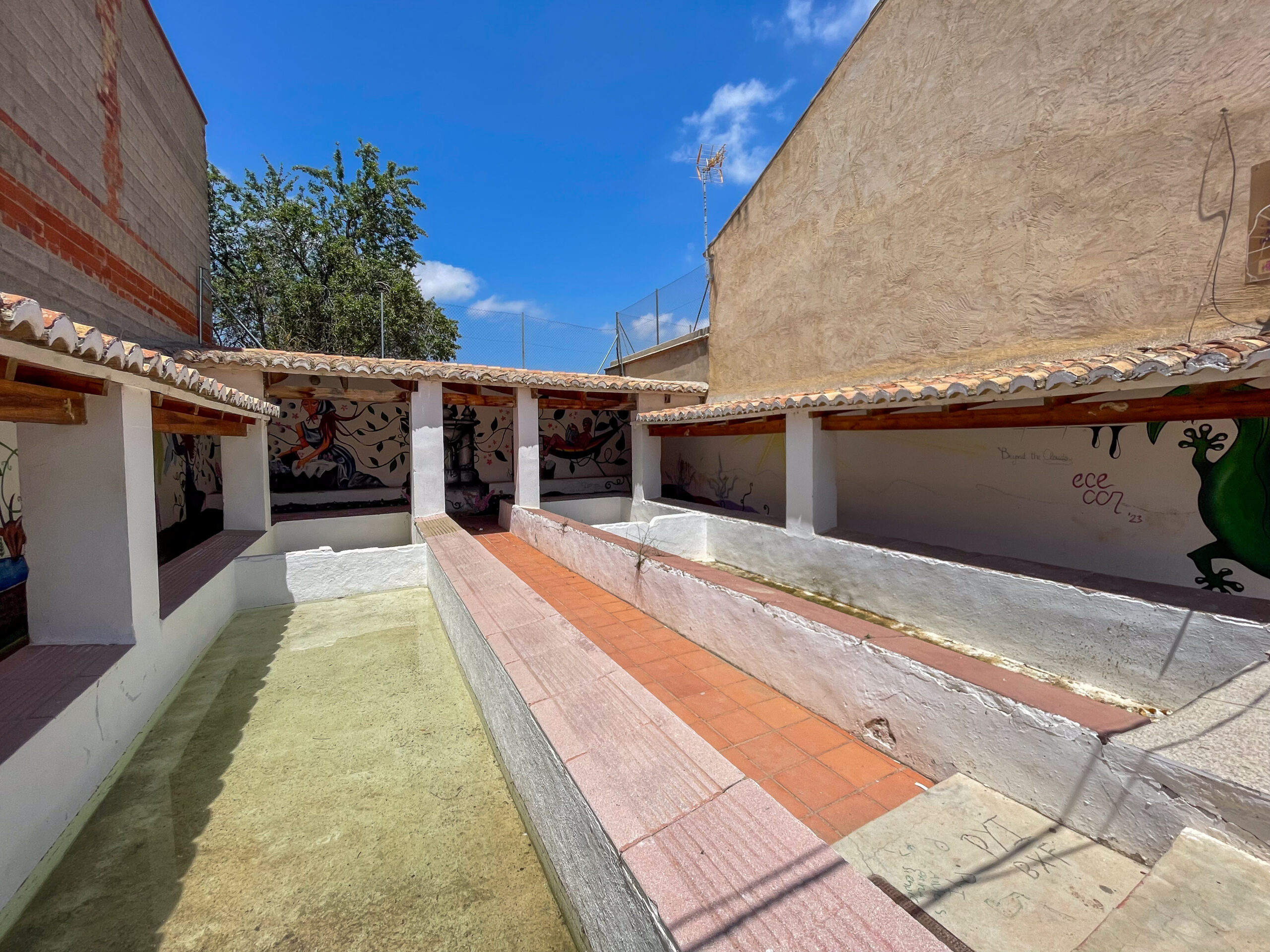
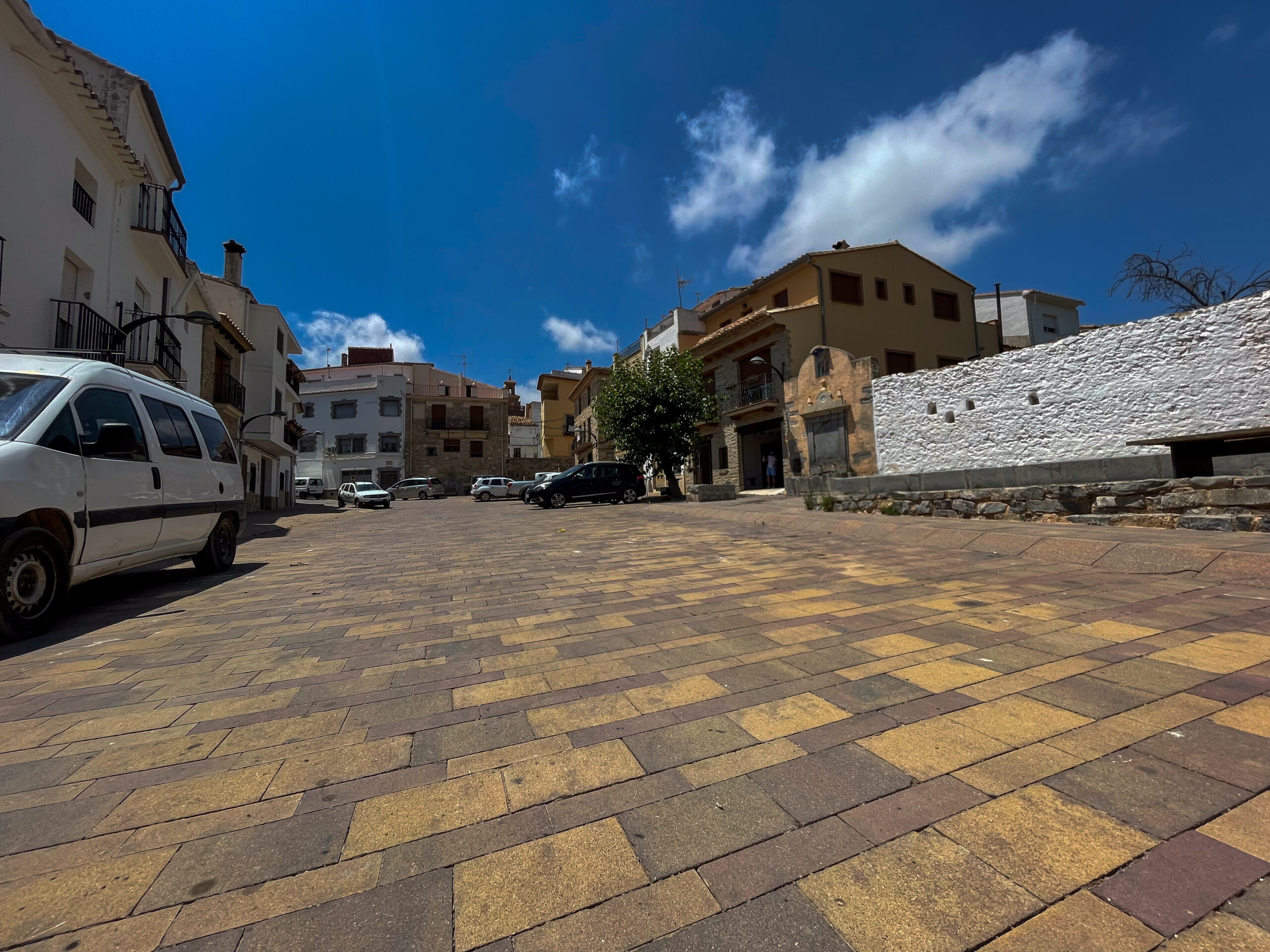
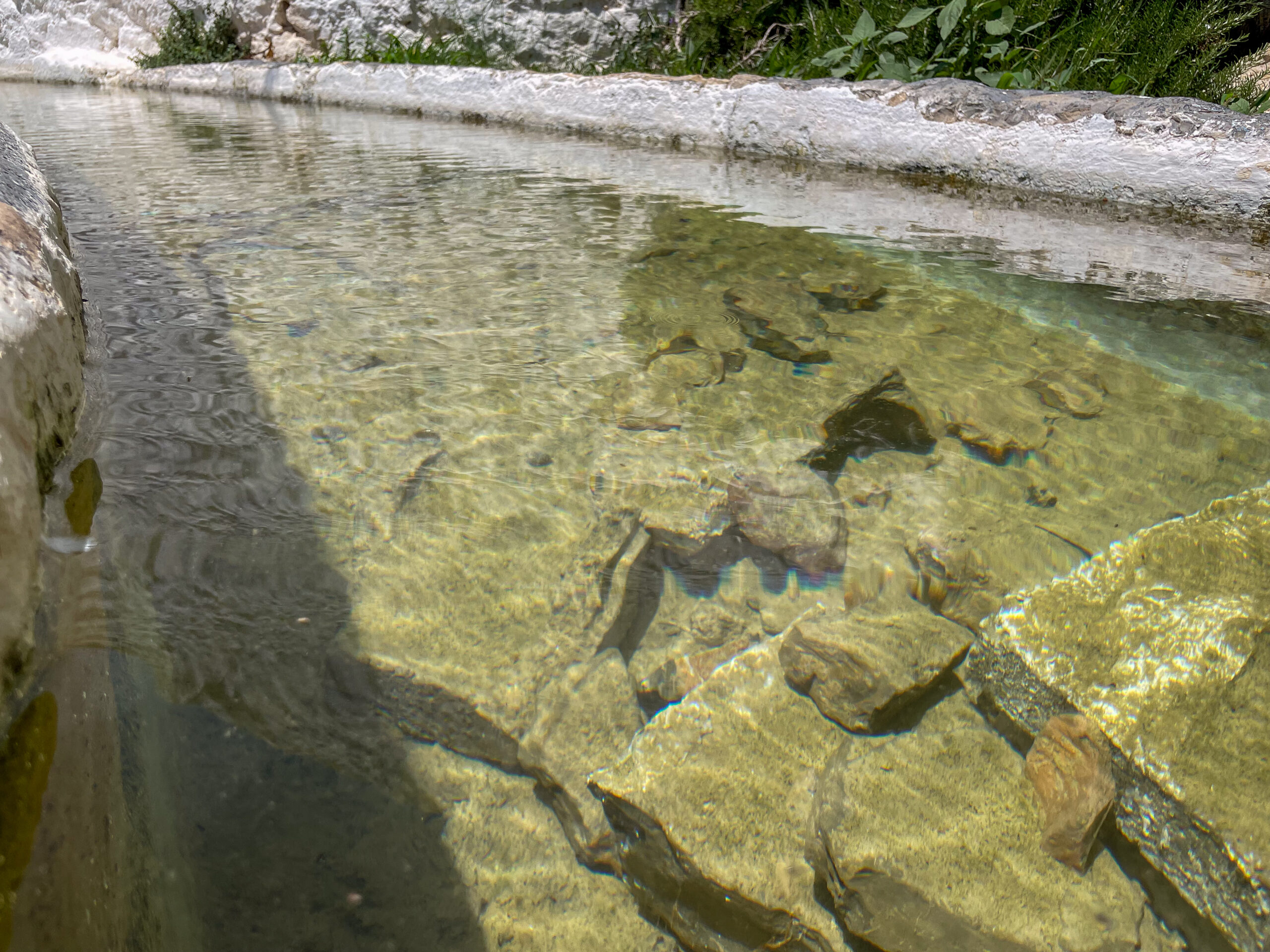
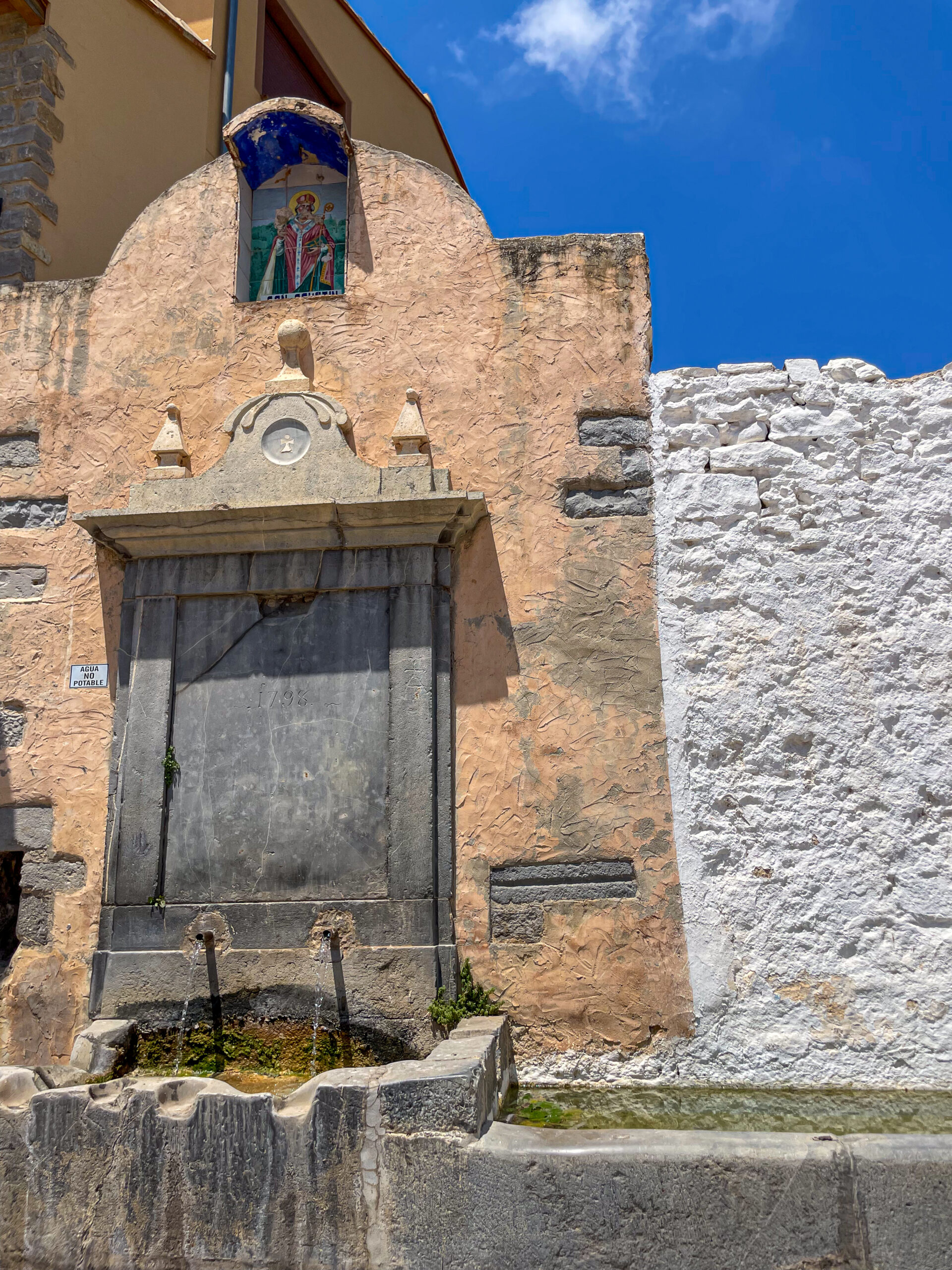
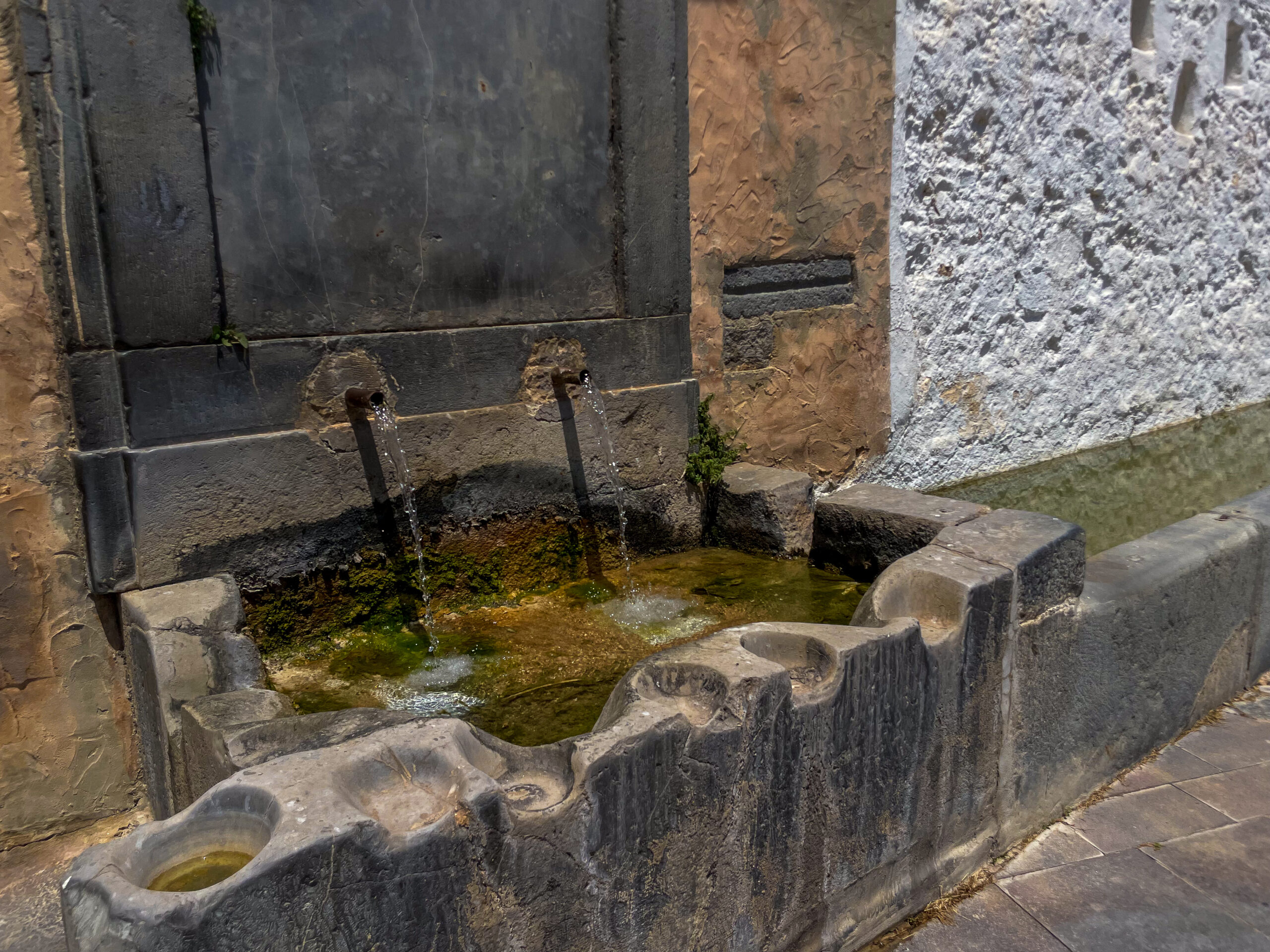
Despite not being a central square, it is one of the nerve centers of the town. This is due to the Saint Augustine’s fountain and the various infrastructures related to water. The first work on this fountain dates back to 1626 and was made by Bartolomé de Hontanilla, although the entire monumental neoclassical facade that we can see today was made in 1798 in Alcublas’ stone. It is crowned by an attic in which the ‘tau’ of Saint Anthony, emblem of the town, is arranged in a circular bas-relief inlaid in white marble. The set is finished with three pinnacles. At the top we find a ceramic panel in honor of Saint Augustine. The fountain receives water from “La Mena” aqueduct, a 16th century channel almost a kilometer long that carries water from the San Agustín well, given this name to all the elements related to the day of the discovery of the well. The fountain has cavities that were used to rest the water jugs while waiting to collect water. Two iron pipes continue to pour water from the fountain, but currently the water comes from the local water suply system. The surplus filled a water trough or, as it is known locally, “chariz” for use in cavalry and livestock. A few meters further down in the same square we find a laundry space with two parallel basins in a “U” shape porch . The surplus of this water was still used for neighboring industries and for irrigation of the orchards in the ‘Chorrador’ area.This complex is a unique example of civil hydraulic infrastructure and the use of water prior to the establishment of the supply system and the fountain in particular is a beautiful example of the academic-cultured arquitecture of the 18th century. All of this has made Saint Augustine Square an important meeting point for Alcublas’ peoples.