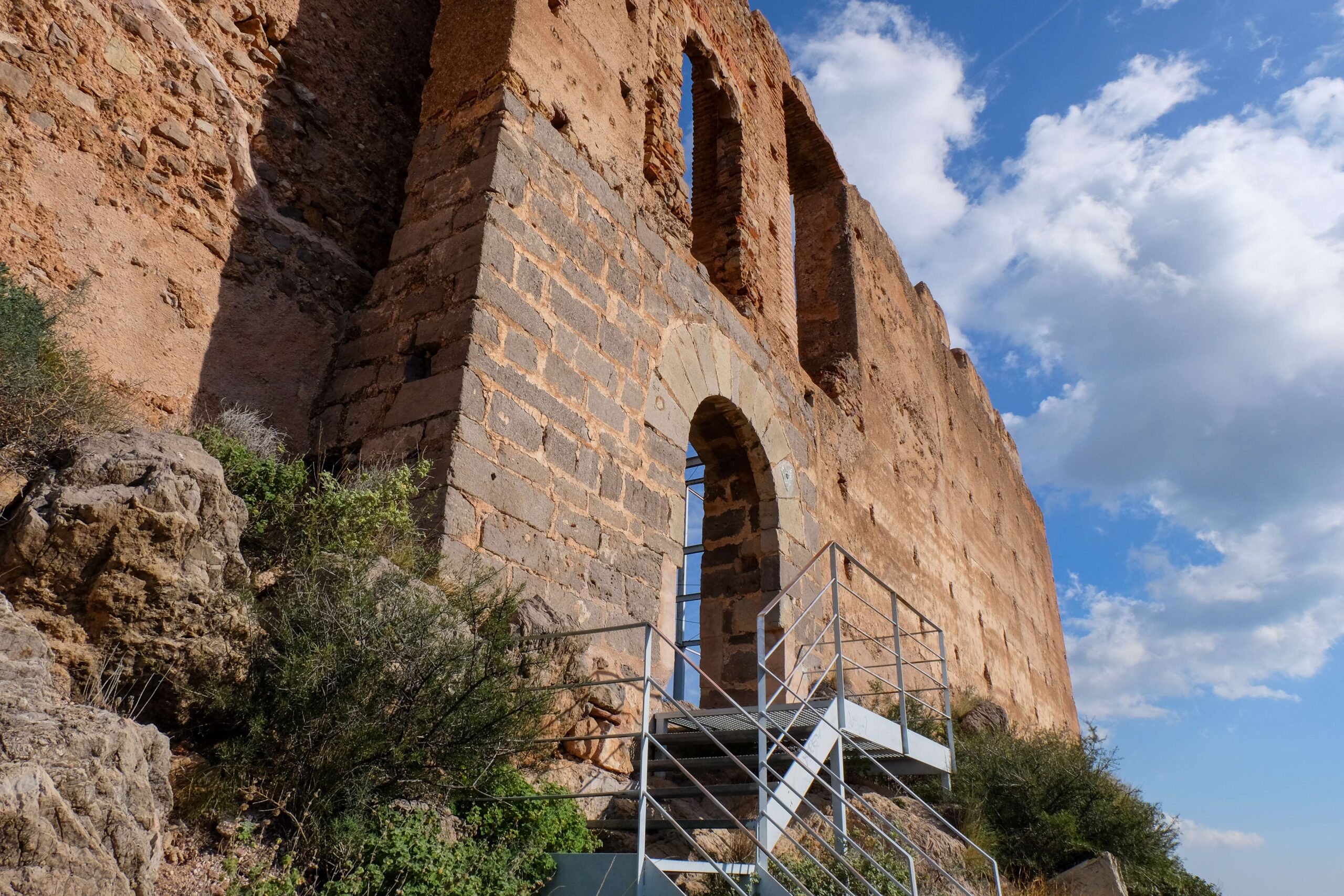
Beselga Castle
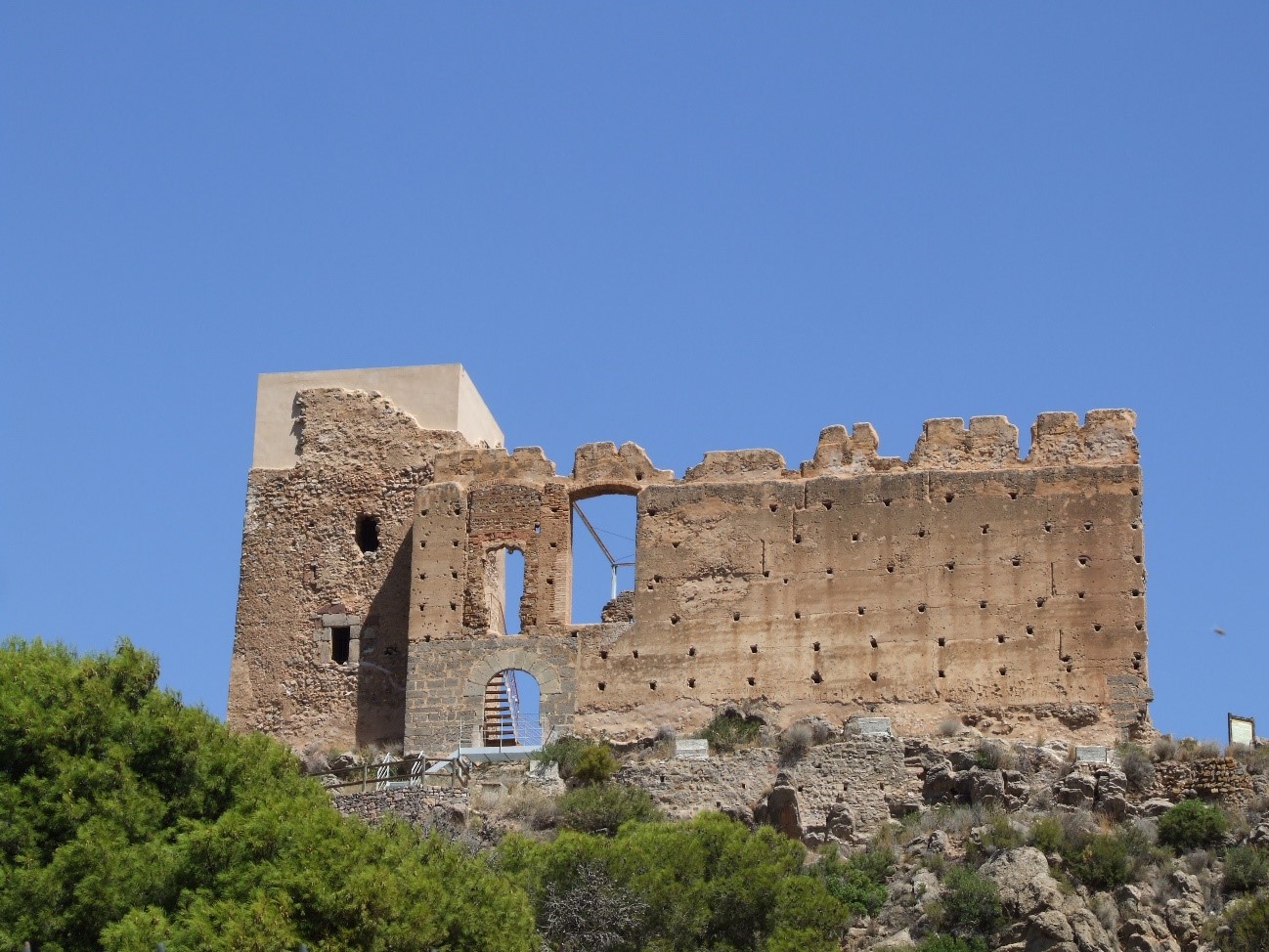
Beselga Castle, declared an Asset of Cultural Interest, is located in the area of the same name, on the northern slope of Mount Garbí.
The origin of this architectural complex lies in the construction of a sentinel tower prior to the Christian conquest. It forms part of the tower route of the Palancia Valley, along the Sagunto–Jérica road. The Llibre del Repartiment already mentions its existence, referring indirectly to it when discussing the grant of the castrum of Segart to Adam de Paterna, which was located next to the castrum de Buselcam.
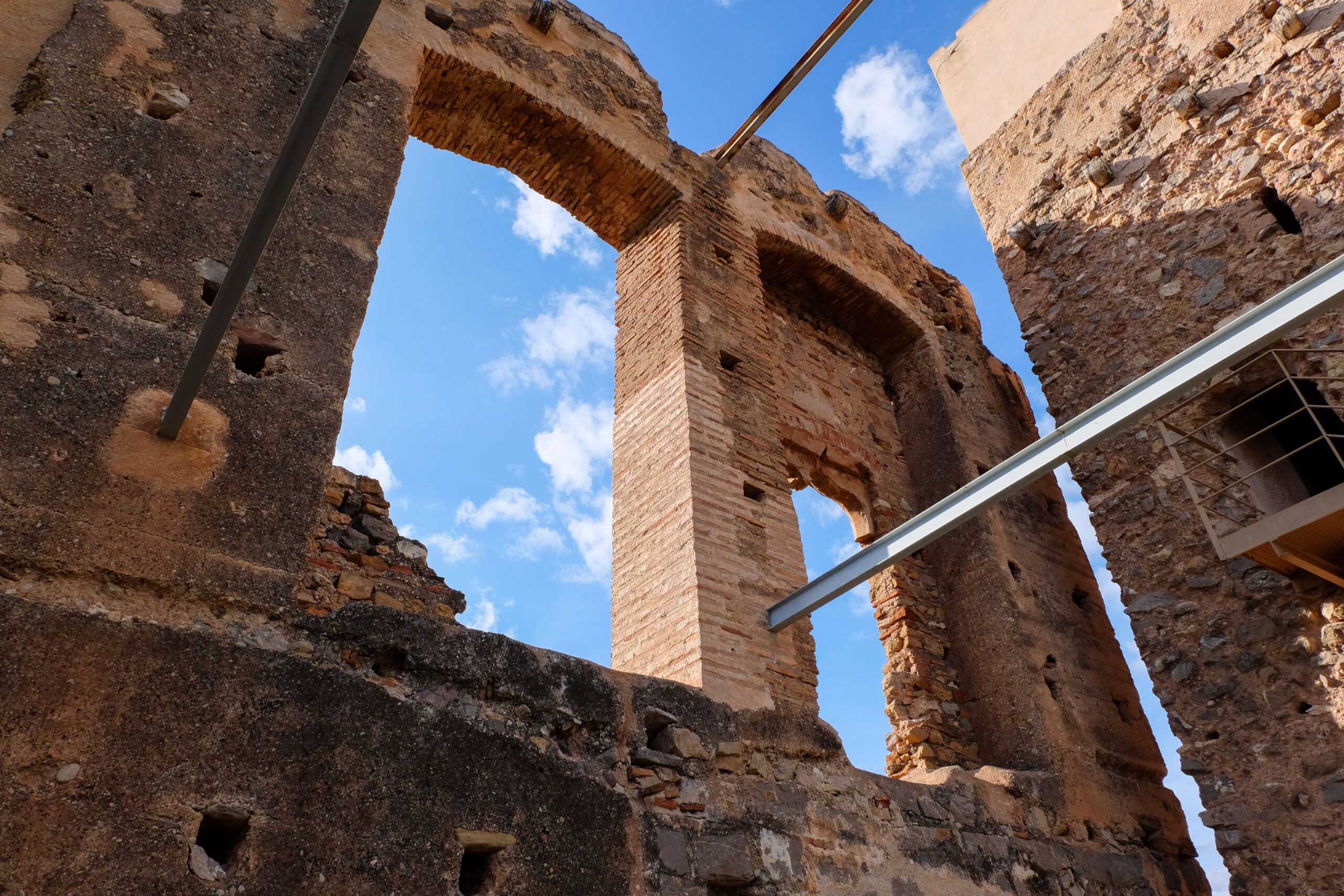
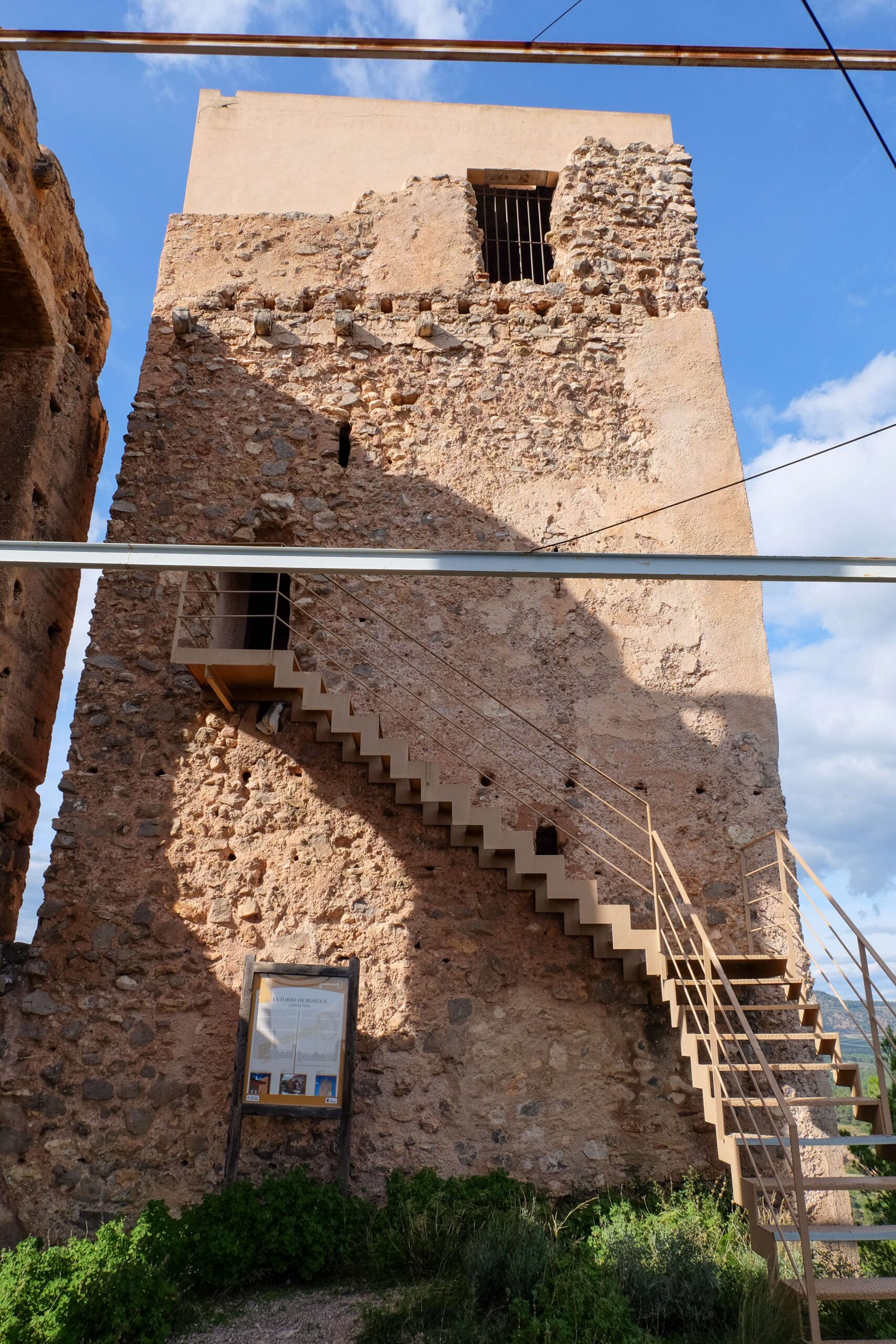
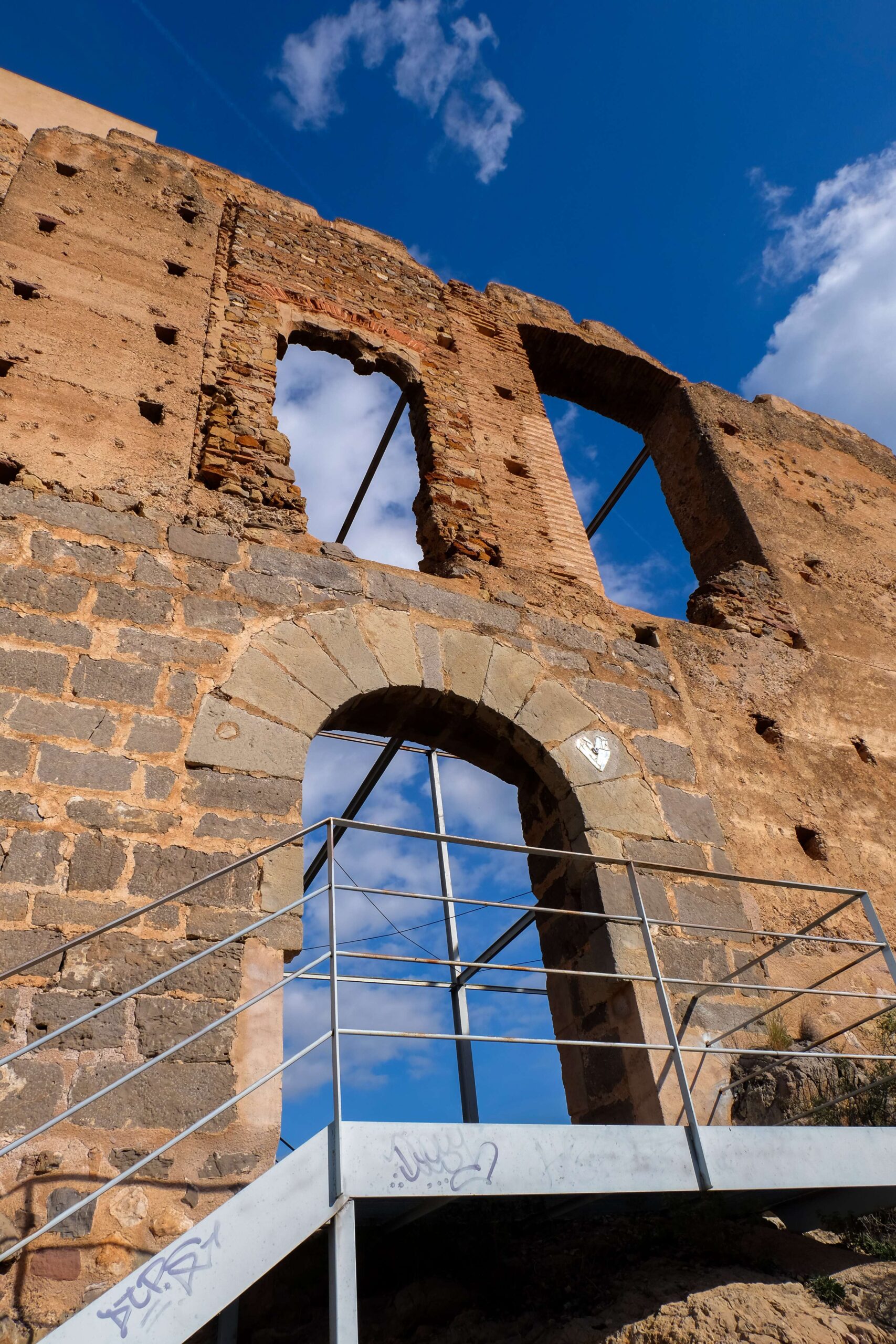
The structure is built of rammed earth, with abundant pegs and arrow slits in the outer walls. The staircase and the interior supporting arches are made of cut stone. It is composed of four perimeter walls plus a central one that created two spaces covered with barrel vaults. The two-flight staircase features steps made of Sagunto stone. The lower level of the tower appears to have contained a cistern that collected rainwater, later rebuilt during the Christian period. The intermediate floor was the living area, and the upper level served as a lookout with defensive openings on all four sides.
The Christian castle-palace, located next to the tower, dates from the late 15th century and was built during the rule of Baron Gracià de Monsoriu. Its rectangular floor plan consisted of two storeys and an upper terrace. The main entrance was on the north façade. On the upper floor there were two large windows—one positioned above the door—twin and Gothic in style. The first floor was supported by semicircular vaults, while the second would have been formed with wooden beams. Its characteristics are therefore closer to those of a palace or noble residence than to a defensive castle.
The complex served various purposes. The sentinel tower had a more defined role, lasting until the Christian period. The function of the castle-palace is harder to determine and it may not have been fully completed. What is known is that it was destroyed in the first third of the 16th century.
The ensemble has survived over time and, after the collapse of the northern wall of the castle-palace on July 7th, 2004, and its subsequent restoration, the tower has been recovered and rehabilitated, and the remaining elements of the former castle-palace have been consolidated. Today, the site is listed as an Asset of Cultural Interest (BIC) and has been registered since 2002 in the Register of Assets of Cultural Interest of the Ministry of Culture.