Castle of Segart
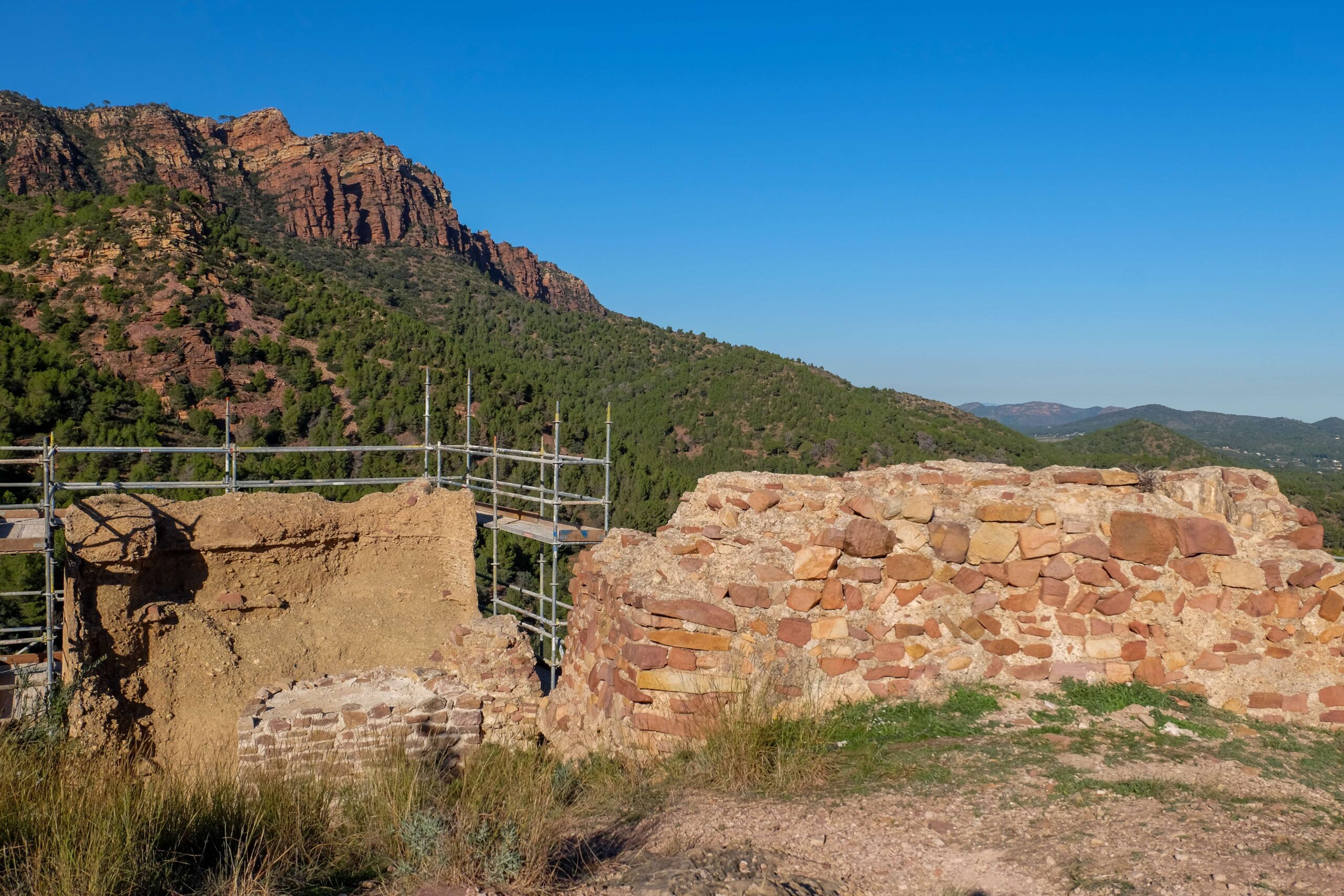
The Castle of Segart is a fortress of Muslim origin built around the 13th century, located on the top of a hill overlooking the town that bears its name. Remains of the defensive walls and part of the cubic structure of a cistern can still be seen.
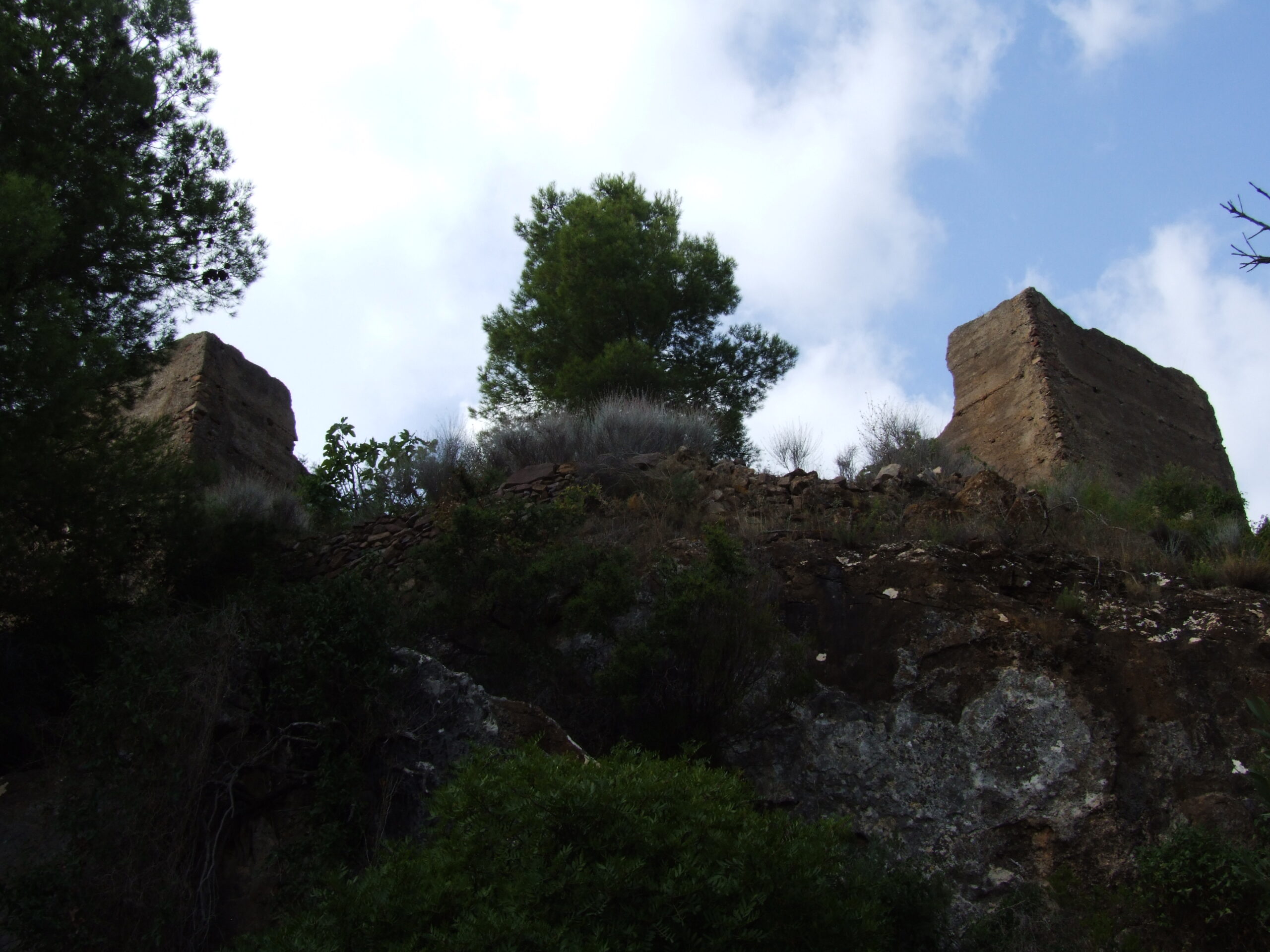
Despite its small size, it must have been particularly beautiful, both for its design and its location. Access to the castle ruins is from the north side. There, two “towers” can be found guarding the former entrance to the fortified enclosure. These structures are not actual towers but extensions of the outer wall. There is also a tower to the east, but due to its construction style and materials, it is very likely from the 14th century.
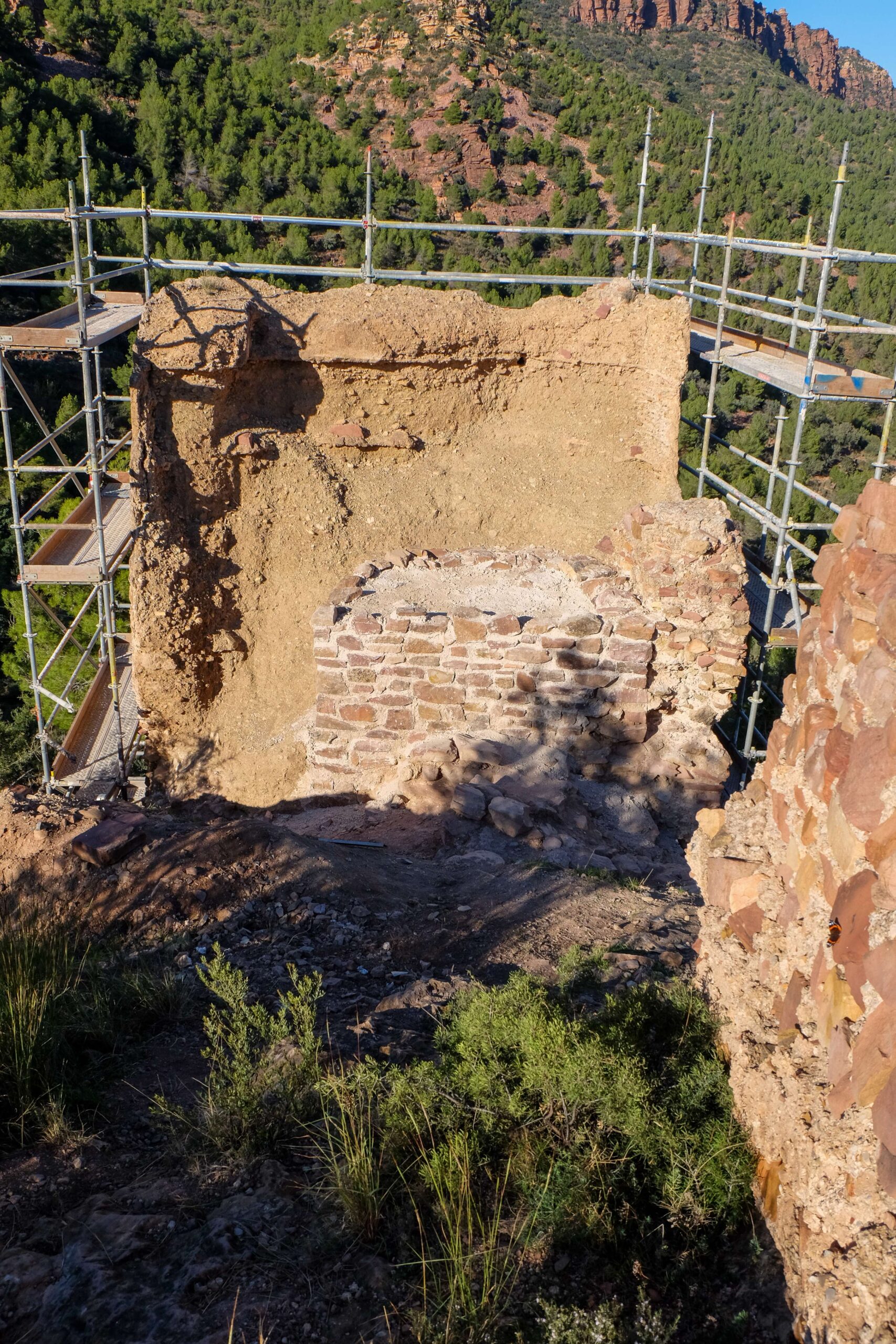
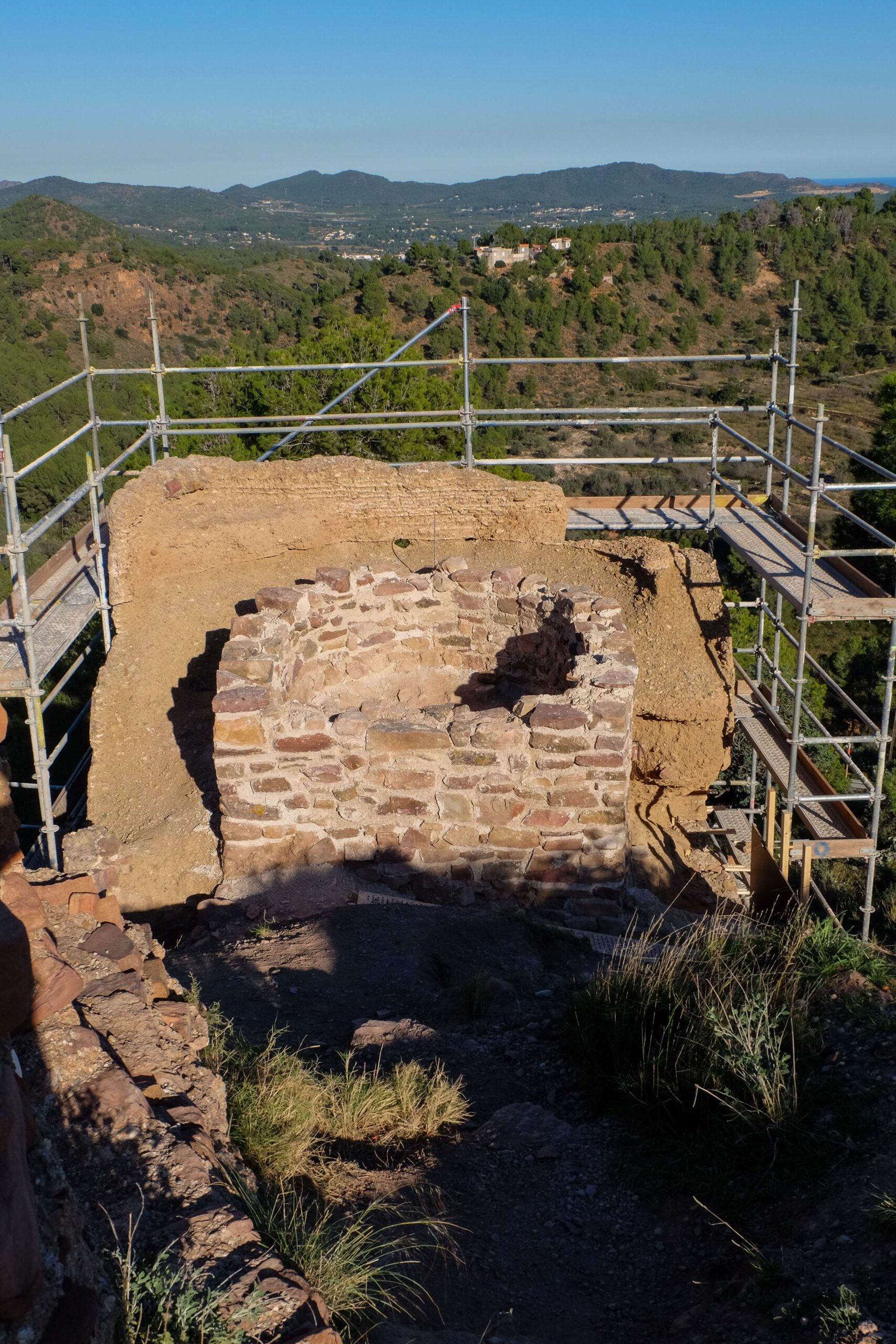
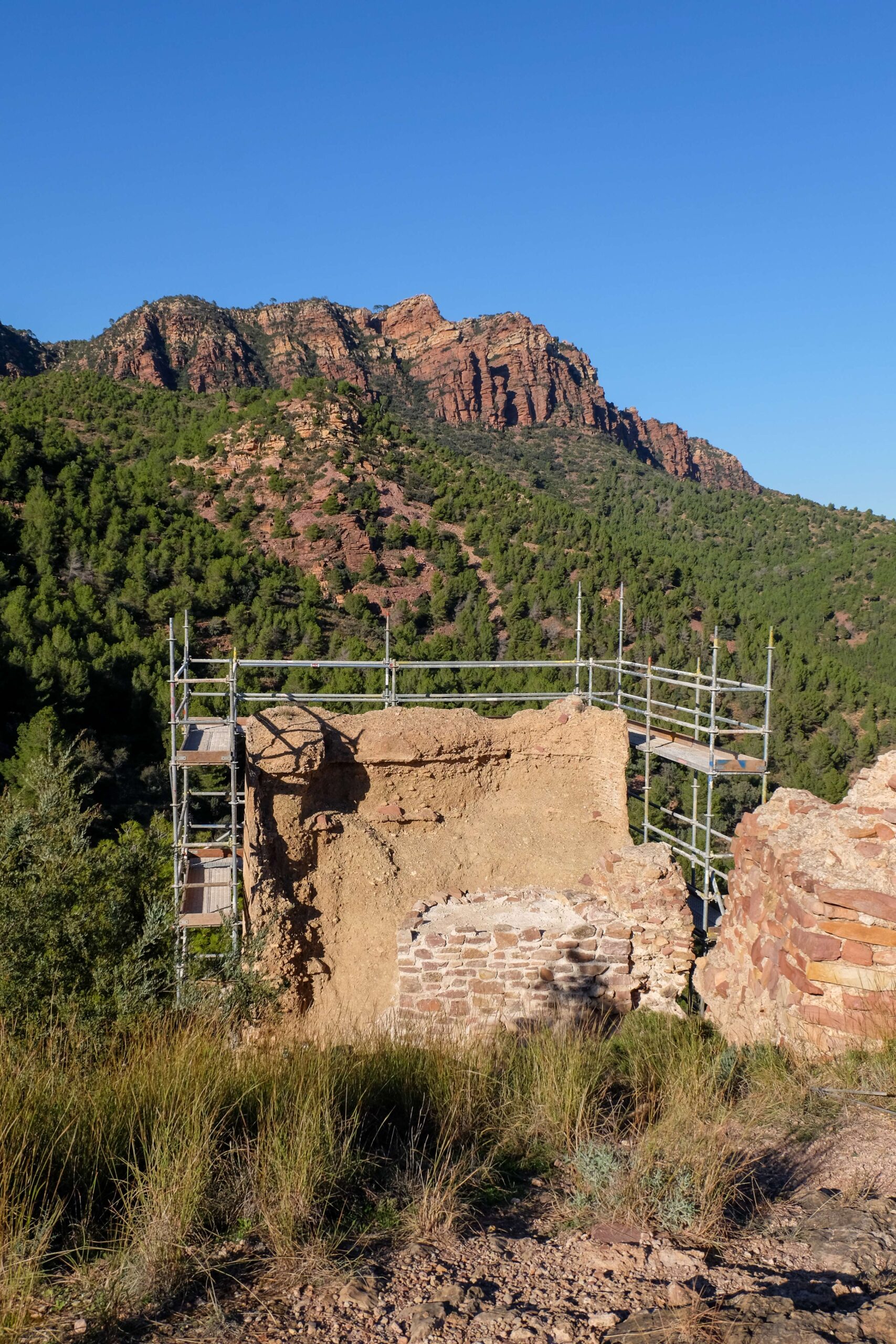
The entire enclosure was probably surrounded by a wall. No traces remain because it was likely dismantled to build agricultural terraces or deteriorated over time, as it was made of rammed earth with no subsequent repairs. At the highest point, the remains of a cistern are still preserved. Next to it, remains of old fig-drying structures can be seen.
The origins of the settlement and the castle date back to the period of Muslim rule. The fortress was conquered by James I at an uncertain date, though certainly around 1238. The king first granted it to the Bishop of Vic, and later, in 1248, it became the property of Adam de Paterna. The Aragonese monarch Peter the Ceremonious later granted ownership to Bernardo Ripax, and years afterward it was incorporated into the jurisdiction of Sagunto, from which it would not become independent until 1535. The expulsion of the Moriscos in 1609 left the area uninhabited, so Juan de Villarrasa, then lord of the barony of Segart and Albalat, undertook the task of repopulating it with Old Christians from Catalan lands.